Best Short Tours in Peru
Colca Canyon Express: 2-Day Adventure from Arequipa

2-Day Arequipa Adventure
Price $00.00
Embark on an unforgettable 2-day, 1-night tour from Arequipa to the awe-inspiring Colca Canyon, one of the deepest canyons in the world! Our daily departures offer a seamless guided tour through breathtaking Andean landscapes, ensuring you witness the best of this natural wonder.
Day 1 takes you from your Arequipa hotel through picturesque scenery, passing the Misti Volcano and stopping at Pampa Cañahuas to spot South American camelids like vicuñas, llamas, and alpacas. Ascend to the Mirador de los Andes (4,800m) for panoramic views of majestic volcanoes like Hualca Hualca and Sabancaya. After arriving in Chivay, settle into your comfortable hotel before unwinding at the famous La Calera Thermal Baths. The evening culminates with dinner and a vibrant folkloric night.
Day 2 begins with an early continental breakfast before heading to the iconic Mirador de la Cruz del Cóndor. Prepare to be mesmerized as you observe the incredible flight of the Condors soaring above the vast Colca Canyon. On your return journey, explore charming local towns like Yanque and Maca, experiencing Andean culture firsthand. Enjoy a delicious lunch in Chivay before your comfortable tourist transportation returns you to Arequipa by late afternoon.
Highlights:
- Stunning Colca Canyon views
- Incredible Condor watching experience
- Relaxing thermal baths
- Encounters with Andean wildlife
- Panoramic Andes viewpoints
- Comfortable accommodation & delicious meals
AVAILABILITY
All Year
DURATION
1Day
DIFFICULTY
Challenging
LANGUAGE
English & Spanish
Transportation
Bus
TOUR TYPE
Nature
Unforgettable Colca Canyon Immersion: Your 2-Day Guided Escape
Craving adventure and natural beauty? Our 2-day Colca Canyon tour from Arequipa offers an immersive experience into Peru's stunning highlands. Designed for convenience with daily departures, this guided tour lets you discover the magic of the Andes with ease.
Journey through dramatic landscapes, witnessing the Misti Volcano and observing vicuñas, llamas, and alpacas in their natural habitat. Reach the Mirador de los Andes for unparalleled volcano views before arriving in Chivay, your gateway to relaxation. Rejuvenate in the soothing La Calera Thermal Baths and enjoy a delightful dinner with a captivating folkloric show.
The highlight awaits on Day 2 at the Mirador de la Cruz del Cóndor, where you'll witness the majestic flight of the Condors against the backdrop of the colossal Colca Canyon. Explore quaint local towns, soak in the rich culture, and savor authentic lunches before your return journey to Arequipa. This isn't just a tour; it's an opportunity to connect with nature's grandeur and create lasting memories.
Frequency: Daily Departures
Schedule: 7:30 am – 4:30 pm
07:30 a.m. This tour begins with the pickup of our passengers from their hotels to embark on an excursion to the Great Colca Canyon. We take the road through Yura, passing behind the snow-capped Chachani, where you can admire the figure of the Misti volcano. We will stop at Pampa Cañahuas, a plain located near the Aguada Blanca reserve. Here you can see different species of South American camelids (vicuñas, llamas, alpacas). (Wildlife Keyword)
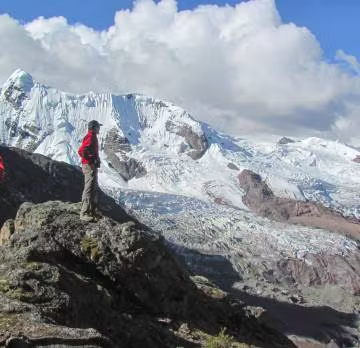
Later, we will visit Pata Pampa, the highest point of the route at 4,800 m.a.s.l. Here is the Mirador de los Andes (Andes Viewpoint)where you can appreciate the majestic Volcanoes of Hualca Hualca, Sabancaya, Ampato. Once our view is satisfied, we will continue our journey to Chivay. (Viewpoint Keyword, Volcano Keyword) Reception and accommodation at the hotel of your choice with private bathroom and hot water. Lunch, in the afternoon visit to the Thermal Baths of La Calera, dinner and folkloric night. (Accommodation Keyword, Thermal Baths Keyword)
Overnight stay.
Included
- Tourist transportation
- Guide
- Accommodation
- Breakfast
Excluded
- 2 Buffet lunches
- Dinner Show
- Entrance to thermal baths
- Tourist ticket (Colca Canyon Entrance Fee)
- Nationals 20.00 soles
- Latin Americans 40.00 soles
- Foreigners 70.00 soles
Essential Clothing Layers:
- Base Layers:
- Long-sleeved thermal top: Wicks away moisture and keeps you warm.
- Thermal bottoms: Essential for cold mornings and high altitudes.
- Mid-Layers:
- Fleece jacket or wool sweater: Provides excellent insulation.
- Light down jacket (packable): Adds significant warmth without bulk.
- Outer Layers (Waterproof & Windproof):
- Waterproof and windproof jacket: Crucial for sudden rain, snow, or strong winds.
- Waterproof and windproof pants: Protects against the elements.
- Bottoms:
- Hiking pants: Comfortable, quick-drying, and durable. Avoid jeans.
- Headwear:
- Warm hat (beanie): Most heat escapes through your head.
- Sun hat or cap: For sun protection during the day.
- Buff or neck gaiter: Versatile for warmth and sun/dust protection.
- Gloves:
- Warm, waterproof gloves: Your hands will get cold.
- Socks:
- Wool or synthetic hiking socks (multiple pairs): Avoid cotton, which retains moisture.
Footwear:
- Broken-in hiking boots: Essential for ankle support and traction on uneven terrain. Ensure they are waterproof.
- Gaiters (optional but recommended): Helps keep mud, dust, and small stones out of your boots.
Gear & Accessories:
- Backpack (20-30L daypack):
- Comfortable for carrying your layers, water, snacks, and personal items.
- Water Bottle or Hydration Reservoir (2-3 liters capacity):
- Staying hydrated is vital at altitude.
- Snacks:
- High-energy snacks like nuts, dried fruit, chocolate, energy bars, and coca candies (for altitude).
- Sunglasses:
- The sun's glare is intense at high altitudes.
- Sunscreen (SPF 30+):
- Apply generously and frequently; UV radiation is much stronger.
- Lip Balm with SPF:
- To prevent chapped lips.
- Trekking Poles (highly recommended):
- Provides stability, reduces strain on knees, and aids balance on slippery or steep sections.
- Personal First-Aid Kit:
- Includes pain relievers, blister treatment, antiseptic wipes, any personal medications.
- Small Towel:
- For drying hands or wiping sweat.
- Headlamp or Small Flashlight:
- Useful for early morning starts or in case of unexpected delays.
- Camera & Extra Batteries:
- Don't miss capturing the stunning Vinicunca landscapes! Cold weather drains batteries faster.
- Small Amount of Local Currency (Peruvian Soles):
- For restrooms, snacks from local vendors, or emergencies.
- Copy of Passport/ID:
- Keep a copy in a separate place from your original.
Altitude Sickness Prevention:
- Coca leaves or coca candies: Can help alleviate mild altitude symptoms.
- Acetazolamide (Diamox): Consult your doctor about prescription medication for altitude sickness prevention.
- Electrolytes: Good to add to your water.
1. Where is Arequipa located, and what is it known for?
Arequipa is located in the southern part of Peru, nestled in the Andes Mountains at an elevation of approximately 2,335 meters (7,661 feet) above sea level. It's often called the "White City" (La Ciudad Blanca) because of its beautiful colonial buildings constructed from sillar, a white volcanic stone. It's renowned for its stunning architecture, vibrant culinary scene, and as a gateway to the Colca Canyon.
2. How do I get to Arequipa?
Arequipa has its own international airport, Alfredo Rodríguez Ballón International Airport (AQP), with frequent domestic flights from Lima and Cusco. You can also reach Arequipa by bus from various cities across Peru, including Lima, Cusco, and Puno. Bus journeys can be long but are generally comfortable, especially on overnight services.
3. What's the best time to visit Arequipa?
Arequipa enjoys a pleasant climate for much of the year, with over 300 days of sunshine. The dry season (April to December) is considered the best time to visit, with clear skies and comfortable temperatures, ideal for exploring the city and surrounding areas. The wet season (January to March) brings more rain, but usually in the form of afternoon showers, and the landscapes are greener.
4. Do I need to worry about altitude sickness in Arequipa?
Arequipa's altitude (2,335m / 7,661ft) is lower than Cusco (3,400m / 11,150ft), so altitude sickness is generally less of a concern. However, some visitors might still feel mild symptoms, especially upon arrival. It's always wise to take it easy on your first day, stay hydrated, and avoid heavy meals or alcohol until you've acclimatized.
5. What are the must-see attractions in Arequipa?
- Plaza de Armas: The stunning main square, considered one of the most beautiful in Peru.
- Santa Catalina Monastery: A sprawling, vibrant complex of streets, plazas, and buildings within the city, like a city within a city.
- Basilica Cathedral of Arequipa: Dominating the Plaza de Armas, a magnificent sillar church.
- Museo Santuarios Andinos: Home to Juanita, the "Ice Maiden," a remarkably preserved Inca mummy.
- Colca Canyon: One of the world's deepest canyons, famous for condor sightings and stunning landscapes (often a 2-day trip from Arequipa).
6. What local dishes should I try in Arequipa?
Arequipan cuisine is distinct and highly regarded in Peru. Be sure to try:
- Rocoto Relleno: Spicy rocoto peppers stuffed with minced meat, vegetables, and cheese, then baked.
- Adobo Arequipeño: A hearty pork stew, slow-cooked in a chicha de jora (corn beer) and rocoto sauce.
- Chupe de Camarones: A rich and creamy shrimp chowder, often considered a staple.
- Queso Helado: A refreshing, traditional "ice cream" made from milk, coconut, and cinnamon (despite the name, it contains no cheese).
7. Is Arequipa a good base for exploring the Colca Canyon?
Absolutely! Arequipa is the primary gateway city for tours to the Colca Canyon. Most multi-day tours (typically 2 or 3 days) depart from and return to Arequipa, providing transport, guides, accommodation, and often meals.
8. Is Arequipa safe for tourists?
Arequipa is generally considered a safe city for tourists. The historic center is well-trafficked and monitored. As with any city, exercise common sense: be aware of your belongings, especially in crowded areas like markets or bus terminals, and avoid walking alone at night in poorly lit or unfamiliar areas.
9. What kind of transportation is available within Arequipa?
The historic center of Arequipa is very walkable, making it easy to explore key attractions on foot. For longer distances, you can use:
- Taxis: Readily available and affordable. Always agree on a fare before starting your journey.
- Buses/Combies (minivans): Local public transport, very cheap but can be crowded and confusing for non-Spanish speakers.
10. What should I pack for Arequipa?
- Layers: Days can be warm and sunny, but evenings cool down significantly.
- Sun protection: Sunscreen, sunglasses, and a hat are essential due to the altitude and strong sun.
- Comfortable walking shoes: For exploring the city's cobblestone streets.
- Light jacket or sweater: For evenings.
- Rain jacket or umbrella: If traveling during the wet season (Jan-Mar).
- Daypack: For excursions to the Colca Canyon or other day trips.
For tour requests please email us to incatrailtrekperu@gmail.com, with your tour request indicate what kind of tour you would like to book with us, travel date, number of people and leave us you telephone number if you would like us to contact you.
IMPORTANT NOTE:
We have had our customers report that our email replies to their questions regarding tours are going directly to SPAM or JUNK folders for some email providers. For this reason we recommend that you check your SPAM or JUNK folders for our reply if you do not receive a reply within 24 hours of sending us your questions. If this occurs please add our email incatrailtrekperu@gmail.com, to your contact list or address book to ensure the remainder of our email communications goes directly to your INBOX.
Related Tours
Short Trips in Cusco
Awards

Insert raw html here.
Here is an example of hyper link JoomShaper